

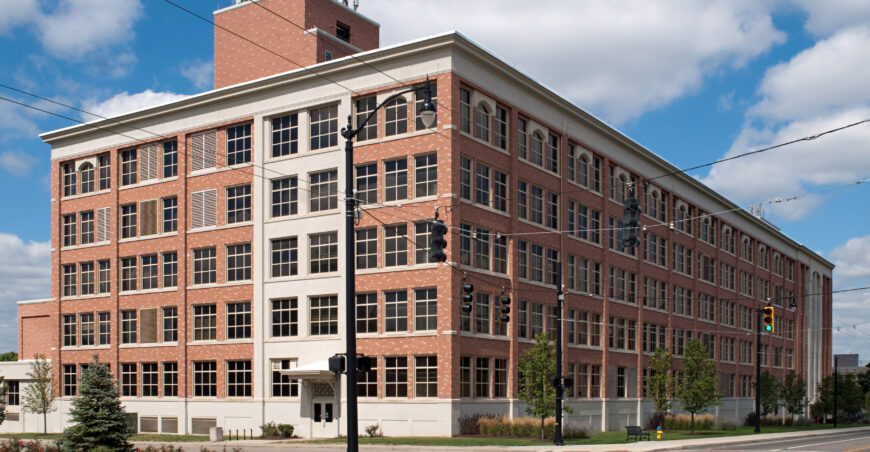
In almost every established city, aging commercial buildings make up a large portion of real estate inventory. These are properties-built decades ago, often in great locations but showing their age through outdated systems, inefficient layouts, or tired appearances. While some investors see these buildings as risky, others see them as opportunity-rich assets hiding in plain sight. The difference comes down to perspective, planning, and execution.
Aging buildings don’t automatically mean bad investments. In fact, many experienced investors actively seek out because older properties can offer flexibility, lower acquisition costs, and multiple paths to value creation that newer buildings simply don’t provide.
What qualifies as aging commercial buildings?
An aging building is typically one that was built 25, 30, or even 50+ years ago and has not undergone a full modernization. This doesn’t mean the building is obsolete; it simply means it was designed for a different era of business needs.
Common characteristics include:
- Older HVAC, roofing, and electrical systems
- Floor plans designed for past work styles
- Lower energy efficiency
- Finishes that feel dated compared to newer construction
Importantly, many of these buildings sit in prime, infill locations where new construction would be extremely expensive or impossible due to land constraints.
This location-driven value is something we regularly highlight in our article on Location in Healthcare Real Estate Investments, where infill assets consistently outperform newer, fringe developments.
Why investors are drawn to aging commercial buildings
From an investment standpoint, aging buildings often check out several attractive boxes.
Lower basis for purchase
Older properties typically trade at a discount compared to newer, fully renovated buildings. This lower entry price gives investors room to invest in improvements while still achieving strong returns.
Location advantages
Many aging assets are located near downtown cores, hospitals, transit corridors, or established neighborhoods. These locations are difficult to replicate with new development and often command long-term demand.
Less competition
Not every investor wants to deal with capital projects or repositioning. That hesitation creates opportunities for buyers who understand construction costs, leasing dynamics, and timelines. According to the Urban Land Institute, value-add and redevelopment strategies remain a key focus for investors seeking yield in competitive markets, especially where new supply is limited.
How investors create value in aging buildings
There are two main ways investors benefit from aging commercial buildings: upgrading them or repurposing them.
1. Upgrading and repositioning
This strategy focuses on improving what already exists rather than changing the building’s use.
Typical upgrades include:
- Replacing or modernizing HVAC systems
- Updating roofs and building exteriors
- Improving lighting and electrical capacity
- Refreshing common areas and restrooms
- Adding energy-efficient features
These improvements can significantly reduce operating expenses while making the building more attractive to tenants. ENERGY STAR Research shows that buildings that track and improve energy performance often see lower utility costs and stronger tenant demand.
From a leasing perspective, even modest upgrades can justify higher rents, longer lease terms, and better-quality tenants, especially in medical, professional office, or service-oriented uses.
2. Repurposing and adaptive reuse
In some cases, the highest and best use of an aging building is no longer its original purpose. This is where adaptive reuse comes into play.
Repurposing may include:
- Converting office buildings to medical or outpatient uses
- Transforming retail or warehouse buildings into flex or mixed-use spaces
- Redeveloping outdated office assets into residential or live-work environments
Adaptive reuse has gained attention in recent years, particularly as work patterns and retail demand evolve. However, not every building is a good candidate.
The key is careful feasibility analysis, understanding floor plate depth, ceiling heights, parking requirements, and local zoning regulations before assuming a conversion will work.
Why aging buildings can outperform newer ones
It may seem counterintuitive, but aging buildings can sometimes outperform new construction when managed correctly.
Here’s why:
- Capital improvements are targeted and intentional, not overbuilt
- Investors control when and how money is spent
- Tenants often value location and functionality over “brand-new” finishes
- Renovations can be phased, reducing risk
New construction, while attractive, often comes with higher debt loads, longer lease-up periods, and tighter margins. Aging buildings allow investors to scale improvements based on market demand rather than betting everything upfront.
The Building Owners and Managers Association (BOMA) It emphasizes that life-cycle planning and proactive capital management are critical to maintaining value in older assets.
Risks to watch for and how to manage them
Of course, aging buildings are not without risk. The most common issues include:
- Unexpected capital expenditures
- Deferred maintenance surprises
- Code compliance or accessibility upgrades
- Utility inefficiencies
The solution isn’t avoiding older buildings; it’s underwriting them properly. Thorough inspections, realistic capital reserves, and conservative timelines make all the difference between a smart investment and an expensive lesson.
Experienced investors often build capital plans early, prioritize essential systems first, and align improvements with tenant needs rather than cosmetic trends.
Final thoughts from the ICRE Investment Team
Aging commercial buildings represent one of the most misunderstood segments of the market. To some, they look like problems. To informed investors, they represent flexibility, opportunity, and upside, especially when paired with the right strategy.
At the ICRE Investment Team, we work with investors to evaluate aging assets beyond surface-level appearances. That means understanding true operating costs, identifying realistic repositioning opportunities, and aligning renovation or repurposing strategies with long-term market demand. Whether the goal is stabilizing income, value-add growth, or adaptive reuse, aging buildings can become some of the most rewarding investments when approached with clarity and discipline.
Old buildings don’t have to mean old ideas and on the right hand, they often become the most interesting deals in the room.