

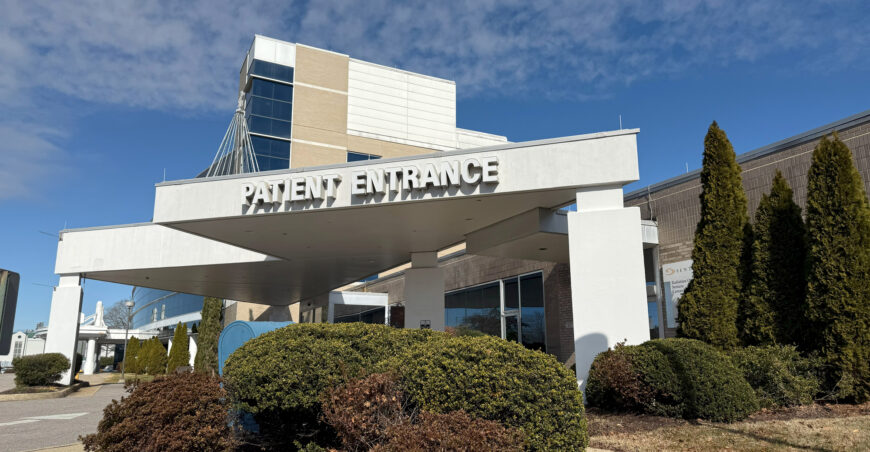
Medical office location influences every aspect of a healthcare asset’s performance, from tenant demand and lease longevity to exit value and liquidity. In a world shaped by telehealth, remote work, and digital access to care, it is easy to assume that physical location has become less important. Yet in healthcare commercial real estate, location remains one of the most decisive factors in determining long term value, tenant stability, and investment performance. While design, lease structure, and tenant credit all matter, location continues to be the foundation that supports successful healthcare assets.
Healthcare real estate operates differently than traditional offices or retail. Medical office tenants rely heavily on patient accessibility, referral patterns, hospital proximity, and local demographics. These factors are not easily replicated or replaced by technology, which is why the right location continues to outperform across market cycles.
Patient Access and Convenience Continue to Drive Demand
Healthcare is a service rooted in accessibility. Patients prioritize convenience, particularly services that require frequent visits such as primary care, imaging, dialysis, behavioral health, and physical therapy. Properties located near residential neighborhoods, major roadways, and population centers consistently see stronger tenant demand and lower vacancy.
We explored this trend further in our article on how medical office real estate is evolving, which highlights why neighborhood-based care is reshaping healthcare real estate demand.
Proximity to Hospitals and Health Systems Creates Lasting Value for Medical Offices
Medical office properties located near hospitals and major health systems benefit from built in demand. Physicians often depend on nearby hospitals for referrals, shared services, and coordinated care models. As a result, tenants in these locations are less likely to relocate, creating longer lease terms and stronger renewal rates.
According to CBRE, while only a relatively small share of new medical office buildings under construction are located directly on hospital campuses, those hospital-adjacent MOBs account for a disproportionately large portion of current development and tend to be larger and in high demand, a trend that supports strong occupancy and leasing fundamentals for well-located medical office assets.
Our article on location in healthcare real estate investments dives deeper into how medical office clustering around hospitals enhances tenant retention and asset durability.
Demographics Shape Healthcare Real Estate Performance
Healthcare demand is directly tied to population trends. Aging populations, higher income levels, and population growth all contribute to increased utilization of medical services. Locations that align with these trends tend to attract a broader range of medical office tenants and support long-term investment performance.
The U.S. Census Bureau projects that by 2030, all baby boomers will be over the age of 65, significantly increasing demand for healthcare services.
Markets experiencing population growth and aging demographics are particularly attractive for healthcare investors. We discussed how urbanization and population shifts are influencing medical real estate in our article on how urbanization is reshaping medical office real estate.
Visibility and Accessibility Still Matter
While healthcare is not traditionally viewed as a visibility-driven sector, location visibility plays a meaningful role in patient acquisition and brand recognition. Medical buildings located along major corridors or within well-known commercial hubs tend to benefit from stronger patient traffic and easier wayfinding.
Accessibility is equally critical. Adequate parking, ground level access, and efficient traffic flow directly impact patient experience and operational efficiency. According to JLL, ease of access is one of the top factor’s healthcare providers consider when selecting outpatient locations.
As construction and tenant improvement costs continue to rise, providers are increasingly selective about where they deploy capital. Prime locations reduce leasing risk and justify long term investment in build outs.
Location Helps Mitigate Risk During Market Uncertainty
Healthcare real estate is often considered a defensive asset class, but location plays a critical role in determining how well a property performs during economic uncertainty. Well located assets tend to maintain occupancy and liquidity even when broader markets slow.
Strong locations attract higher quality tenants and support lease renewals, which helps stabilize income. As noted by Cushman & Wakefield, healthcare assets in prime locations demonstrate resilience due to the essential nature of medical services and limited relocation flexibility for providers.
We touched on this concept in our article on investment strategies in uncertain times, where we emphasized why fundamentals like location remain crucial when markets shift.
Why Location Will Continue to Win in Medical Office Real Estate
Technology will continue to enhance healthcare delivery, but it will not replace the need for physical space in the right places. Patients still want convenient access. Physicians still depend on referral networks. Health systems still plan expansion around population density and infrastructure.
Medical office location influences every aspect of a healthcare asset’s performance, from tenant demand and lease longevity to exit value and liquidity. The most successful healthcare investments are rarely accidental. They are the result of strategic site selection, market knowledge, and a clear understanding of how healthcare functions at the local level.
How the ICRE Investment Team Can Help
At the ICRE Investment Team, we focus on healthcare commercial real estate with a location driven strategy. Our experience spans medical office acquisitions, development sites, and off-market opportunities positioned near major healthcare corridors and growing communities.
We combine demographic analysis, market intelligence, and healthcare specific expertise to help our clients identify assets built for long term performance. Whether you are acquiring, developing, or repositioning a healthcare property, our team provides clear guidance rooted in real world market insight.
If you are evaluating healthcare investment opportunities and want to understand which locations truly offer durable value, the ICRE Investment Team is ready to help you move forward with confidence.
Stay Informed on Healthcare Real Estate Trends
If you find this insight helpful, join our newsletter for regular updates on healthcare commercial real estate trends, investment strategies, and market intelligence across Arizona and beyond. We share practical insights, real-world deal perspectives, and location-driven analysis designed for investors, owners, and healthcare operators.
Sign up here: https://investingincre.com/newsletter-signup/