
Commercial real estate development has always been closely tied to the broader economic environment. Interest rates, construction costs, population growth, and tenant demand all influence whether new projects make financial sense. As we move through 2026, developers and investors across the country are asking an important question: Is new development still viable?
The answer is more nuanced than a simple yes or no. Development is still occurring, particularly in growth markets like Arizona, but the path to profitability requires careful planning, disciplined underwriting, and a strong understanding of tenant demand.
Construction Costs Remain Elevated
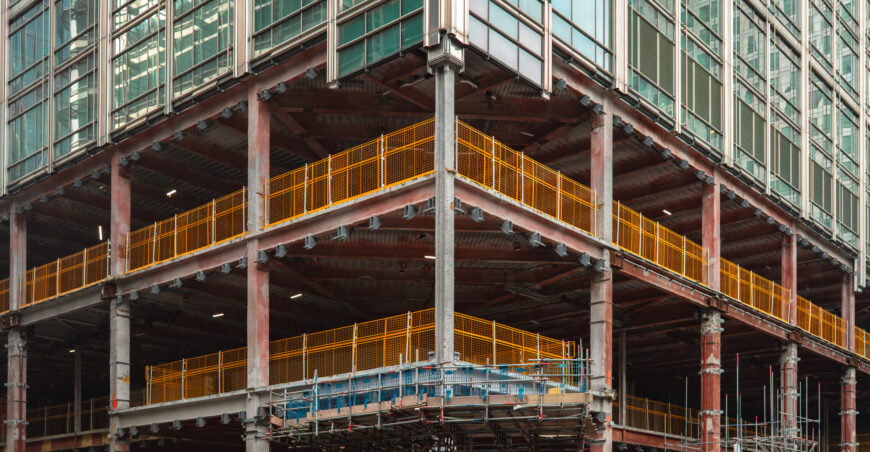
One of the biggest challenges developers face today is the cost of construction. Over the past several years, labor shortages, supply chain disruptions, and inflation in materials have pushed commercial real estate development budgets significantly higher.
Steel, electrical components, mechanical systems, and specialized medical build outs continue to command premium pricing. These rising costs have forced developers to reassess project feasibility and often require higher rents or stronger tenant credit to justify new construction.
Recent industry reporting continues to highlight this trend. According to Construction Dive, construction costs remain elevated due to labor shortages and ongoing material pricing volatility.
Medical office properties are a good example. While demand for healthcare space remains strong, the cost of building specialized medical facilities has increased. Developers must carefully evaluate tenant improvements, building systems, and long-term maintenance when underwriting these projects.
Despite these challenges, development can still make sense in markets where strong demand can support the required rents.
Arizona’s Growth Continues to Support Commercial Real Estate Development
Arizona remains one of the fastest growing states in the country, which continues to support new commercial development. Population growth, job creation, and business relocation are all fueling demand for office, medical, and retail space.
Recent economic reporting continues to highlight the state’s strong momentum. For example, AZ Big Media recently reported that Arizona’s economy continues to outperform national averages, reinforcing why the state continues to attract businesses, developers, and investors.
That economic momentum directly impacts commercial real estate development. Healthcare real estate is particularly tied to population growth. As communities expand, the need for physicians, outpatient services, imaging centers, and specialty clinics grows as well. This creates opportunities for well positioned medical developments in growing suburban markets.
Commercial Real Estate Development Risk Has Increased
While opportunities remain, the risk profile for development has also increased.
Higher interest rates have raised the cost of construction loans and permanent financing. Lenders are requiring more equity and stronger pre-leasing commitments before funding projects. This means that speculative development has become far less common.
Developers are now focusing on projects with clear tenant demand or projects located in areas experiencing strong population growth.
According to CBRE’s recent U.S. Real Estate Market Outlook, financing constraints and rising capital costs have significantly changed the way developers approach new projects. Many developments today move forward only after securing tenants or identifying strong long-term demand.
The timeline for commercial real estate development has also become more challenging. Permitting delays, zoning approvals, and longer construction schedules can increase carrying costs and introduce additional risk.
For these reasons, successful developers today are focusing on projects where they have a clear strategy for tenant placement and long term value creation.
Medical Office Development Is Still Moving Forward
Even in a challenging environment, one sector continues to show resilience: medical office real estate.
Healthcare demand continues to grow as populations age and medical services shift away from hospitals and toward outpatient facilities. This trend has led to increasing demand for medical office buildings, specialty clinics, and ambulatory care centers.
Industry research from JLL highlights that the continued shift toward outpatient care is one of the primary drivers behind medical office development across the United States.
Many physician groups are also looking to control their real estate through ownership opportunities or long term leases in purpose-built facilities. This demand is driving new medical developments throughout the Phoenix metro area.
Projects like Terraza Medical Village are designed to meet that demand by creating modern medical environments that support multiple healthcare providers in one location.
Similarly, the Mixed-Use Office Medical & Retail Development concept reflects another growing trend in healthcare real estate. Integrating medical space with retail and office services creates convenient healthcare destinations for patients and supports surrounding businesses.
Location Matters More Than Ever
When construction costs are high, location becomes even more critical.
Developers must focus on areas with strong demographics, population growth, and limited existing supply. Healthcare developments near major hospitals often benefit from built-in referral networks and patient traffic.
One example is the Rare Medical Development Land Minutes from Mercy Gilbert Hospital, which is positioned near one of the East Valley’s major healthcare anchors.
Another upcoming project, Mercy Vista Medical, is designed to serve the rapidly expanding East Valley medical corridor.
Retail-oriented healthcare is also becoming more common as providers seek visibility and easier access for patients. Developments such as the Meridian Medical Retail PAD reflect this shift toward convenient neighborhood medical services.
Returns Depend on Smart Underwriting
Because costs are higher, commercial real estate development returns today depend heavily on disciplined underwriting. Developers must evaluate construction costs, lease rates, operating expenses, and long-term cap rate expectations. Small changes in these variables can have a significant impact on project feasibility.
Pre-leasing has also become a key factor. Securing anchor tenants before construction begins helps reduce risk and improves financing options. Healthcare developments often benefit from this approach because medical providers typically sign longer term leases and invest heavily in tenant improvements. These factors can create stable cash flow once a project is completed.
The Outlook for 2026 and Beyond
New development in 2026 is not as easy as it was during periods of low interest rates and cheaper construction costs. However, that does not mean development opportunities have disappeared.
Instead, the market has become more selective.
Projects that succeed today tend to share several characteristics. They are in high growth areas, they serve essential industries like healthcare, and they are supported by strong tenant demand.
Arizona continues to offer many of these advantages. With sustained population growth and expanding healthcare needs, well-planned medical developments remain an attractive opportunity for investors and healthcare providers.
How the ICRE Investment Team Can Help
For healthcare groups, investors, and developers evaluating new projects in Arizona, navigating the development landscape requires local market insight and strategic planning.
The ICRE Investment Team works closely with medical providers, investors, and developers to help identify viable development opportunities across the Phoenix metro area. Our team assists with site selection, demographic analysis, market research, lease negotiations, and real estate acquisition strategies.
If your organization is evaluating expansion or relocation opportunities in Greater Phoenix, the ICRE Investment Team would be happy to help guide the process and provide strategic insight into one of the fastest growing markets in the country. In a market where costs and risks have increased, the right location and the right strategy can still make new development a strong long-term investment.
To stay informed on Arizona’s commercial real estate trends, healthcare real estate insights, and new commercial real estate development opportunities, consider signing up for our newsletter:
https://investingincre.com/newsletter-signup/