

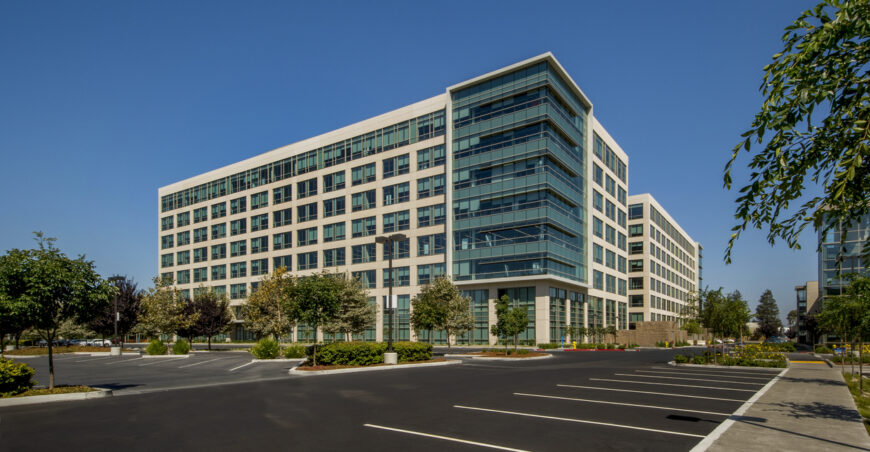
Commercial development plays a foundational role in shaping strong, resilient economies. From office buildings and medical campuses to retail centers and industrial parks, these projects do far more than change skylines. They create jobs, support local businesses, generate tax revenue, and help communities grow in practical, long-lasting ways.
While commercial real estate is often viewed through an investment lens, its broader economic impact reaches far beyond returns. Understanding how and why commercial developments benefit economies helps explain why cities actively pursue them and why thoughtful planning around these projects is so important.
Job Creation at Every Stage
One of the most immediate benefits of commercial development is job creation. This begins long before a building opens.
Planning and construction support architects, engineers, contractors, tradespeople, and project managers. According to the U.S. Bureau of Labor Statistics, construction and related industries employ millions nationwide, with commercial projects representing a major share of that employment.
In growth markets like Arizona, this activity has played a major role in economic expansion, as outlined in this article from the ICRE Investment Team.
Once completed, commercial properties continue generating jobs. Office buildings house professional services, medical developments employ physicians and staff; retail centers support customer-facing roles, and industrial facilities create logistics and manufacturing employment.
Healthcare real estate tends to provide long-term job stability; this is something explored in How Medical Real Estate Is Evolving on investingincre.com.
Increased Tax Revenue for Cities and Municipalities
Commercial developments significantly expand local tax bases. Property taxes generated from commercial real estate help fund schools, roads, public safety, and municipal services.
Retail and restaurant use also generate sales tax revenue, while office and medical users contribute through payroll and business taxes. According to the Urban Land Institute, commercial real estate investment is a key driver of municipal fiscal stability, especially in high-growth regions.
Many cities rely on commercial growth to balance residential tax burdens. This connection between location, density, and public funding aligns with insights shared in Location in Healthcare Real Estate Investments on investingincre.com.
Support for Local Businesses and Entrepreneurship
Commercial development creates environments where businesses can thrive together. Retail centers cluster complementary services, office parks support professional collaboration, and medical campuses bring multiple healthcare services into one accessible location.
These ecosystems increase visibility, foot traffic, and convenience—benefiting both national brands and local entrepreneurs. In Innovative Uses for Vacant Commercial Properties, explore how repositioned assets can reignite local economic activity.
Research from the International Council of Shopping Centers (ICSC) shows that well-planned retail and mixed-use developments often serve as economic anchors for surrounding communities.
Infrastructure Improvements and Community Investment
Commercial projects often drive infrastructure improvements that extend beyond the site itself. Roads, utilities, fiber connectivity, drainage, and traffic controls are commonly upgraded as part of development approvals.
These improvements make surrounding areas more attractive for future investment and improve everyday functionality for residents. The Economic Development Administration frequently highlights infrastructure as a catalyst for long-term regional growth.
Attracting and Retaining Talent
A strong commercial real estate environment helps regions attract employers and retain skilled workers. Businesses look for modern space near amenities, while employees value convenience and access to services.
Medical offices, mixed-use developments, and employment hubs improve quality of life and reduce commute strain – important factors in competitive labor markets. These considerations are outlined in Real Estate Strategies for Expanding Medical Practices.
Commercial Developments Provide Long-Term Economic Stability
Well-planned commercial developments provide long-term economic stability. These properties are designed for extended use and often remain occupied across multiple economic cycles. Medical offices, essential retail, and industrial facilities tend to perform more consistently during downturns.
Encouraging Smarter Growth Patterns
Thoughtful commercial development promotes efficient land use. Mixed-use projects reduce sprawl; medical hubs centralize care, and industrial zoning protects logistics corridors.
These strategies support sustainability while still allowing economic expansion. Organizations like Smart Growth America emphasize that coordinated commercial development leads to stronger, more adaptable communities.
The Bigger Picture
Commercial development is not just about buildings; it’s about economic momentum. Each project represents employment, tax revenue, infrastructure, and opportunity to work together. When aligned with zoning, demographics, and market demand, commercial real estate becomes a backbone of local economies, supporting communities well beyond the immediate footprint of a property.
At ICRE Investment Team, we see commercial development as both an economic engine and a strategic responsibility. When guided by market data, local insight, and long-term planning, development strengthens communities while creating durable value.
Through our work in medical, office, retail, and land development, we help investors and users understand not just where opportunities exist, but why they matter. Commercial development done right doesn’t just shape properties; it supports stronger economies.
If you’re considering a commercial project or evaluating long-term growth opportunities, ICRE is here to help bring clarity, strategy, and perspective to the process.