Sustainability in commercial real estate is no longer optional. It’s becoming a core metric of asset quality, right alongside location, tenant credit, and lease structure. Sustainability is no longer a buzzword in commercial real estate, what started as a niche focus on “green buildings” has evolved into a core investment, leasing, and development strategy that directly impacts operating costs, tenant demand, asset value, and long-term risk management. For owners, investors, and tenants alike, sustainability now sits at the intersection of economics, regulation, and market preference. In today’s environment of rising utility costs, tighter capital markets, and increased tenant scrutiny, sustainable real estate isn’t just good for the planet; it’s good for the bottom line.
What Sustainability Really Means in Commercial Real Estate
At its core, sustainability in Commercial Real Estate focuses on designing, operating, and investing in properties that reduce environmental impact while improving efficiency and occupant well-being. This typically falls into three main categories:
1. Energy efficiency
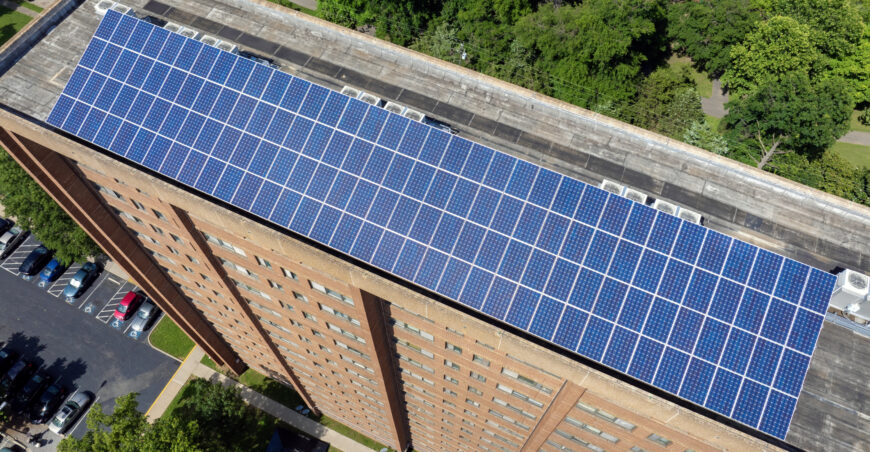
Reducing energy consumption through modern HVAC systems, LED lighting, smart building controls, improved insulation, and on-site renewable energy such as solar.
2. Water conservation
Low-flow plumbing fixtures, drought-tolerant landscaping, rainwater harvesting, and efficient irrigation systems, particularly critical in water-constrained markets like the Southwest.
3. Materials and indoor quality
Use of sustainable building materials, improved air filtration, natural lighting, and designs that promote occupant health and productivity.
Together, these elements help create buildings that are cheaper to operate, more attractive to tenants, and more resilient over time.
Why Sustainability Matters More Than Ever in 2026
Several macro trends are accelerating the importance of sustainability in commercial real estate:
Rising Operating Costs
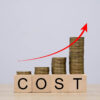
Energy and water costs have increased steadily over the past decade. According to data highlighted by Visual Capitalist, global energy demand continues to rise while infrastructure struggles to keep pace, placing long-term pressure on utility pricing. Buildings that consume less energy are better insulated from these cost increases.
Investor and Lender Expectations
Institutional investors and lenders increasingly factor environmental performance into underwriting decisions. Properties with strong sustainability profiles often benefit from:
- More favorable financing terms
- Increased liquidity at exit
- Broader buyer pools
This shift is also tied to ESG (Environmental, Social, Governance) frameworks, which many funds now use to evaluate risk and long-term performance.
Tenant Demand Is Changing
Tenants, especially medical users, professional services firms, and national operators are prioritizing efficient, modern buildings. Lower utility bills, healthier indoor environments, and alignment with corporate sustainability goals all influence leasing decisions. In competitive markets, sustainability can be the differentiator between winning or losing a tenant.
Sustainability and Asset Value: The Financial Case
One of the most common misconceptions is that sustainable upgrades are purely a cost center. They often function as value-added investments.
Lower expenses = higher NOI
Energy-efficient buildings typically produce lower operating expenses, which directly increases Net Operating Income. When capitalized, even modest savings can significantly impact valuation.
Stronger tenant retention
Tenants are less likely to relocate from efficient buildings with predictable operating costs, reducing vacancy and leasing downtime.
Futureproofing against regulation
Cities and states are increasingly adopting building performance standards and energy disclosure requirements. Properties that already meet or exceed these standards face less compliance risk, and fewer capital surprises the road. Here is an article that you can read as an overview of the regulation.
Sustainability in Medical and Specialized CRE
In sectors like medical offices, sustainability carries additional weight. Healthcare operators are energy-intensive users, making efficiency improvements especially impactful. Sustainable medical buildings can offer:
- More reliable HVAC systems critical for patient care
- Better indoor air quality for staff and patients
- Long-term operating cost predictability for physician groups
As healthcare systems continue expanding outpatient footprints, sustainability is becoming a key factor in site selection and long-term lease commitments.
Practical Ways Owners Are Implementing Sustainability
Sustainability doesn’t always require ground-up redevelopment. Many owners are taking incremental, cost-effective steps such as:
- Retrofitting lighting systems with LEDs
- Installing smart thermostats and energy monitoring systems
- Upgrading HVAC equipment at natural replacement cycles
- Adding solar canopies or rooftop solar where feasible
- Improving building envelopes during re-roofs or exterior renovations
These phased approaches allow owners to enhance performance without disrupting cash flow.
The Risk of Ignoring Sustainability in Commercial Real Estate
Just as sustainability can create upside, ignoring it can introduce risk. Older, inefficient buildings may face:
- Higher operating expenses that compress returns
- Reduced tenant demand
- Increased capital expenditures to meet future regulations
- Functional obsolescence relative to newer product
Over time, this can widen the performance gap between efficient and inefficient assets, particularly in growth markets where tenants have choices.
Looking Ahead: Sustainability as a Competitive Edge
Sustainability in commercial real estate is no longer optional. It’s becoming a core metric of asset quality, right alongside location, tenant credit, and lease structure. As technology improves and costs continue to decline, the buildings that perform best environmentally will also be the ones that perform best financially. For investors and owners willing to think long-term, sustainability offers a way to reduce risk, enhance value, and align with where the market is clearly headed.
At the ICRE Investment Team, we view sustainability not as a trend, but as a strategic lens through which smart real estate decisions are made. Whether evaluating acquisitions, advising owners on capital improvements, or helping tenants plan long-term occupancy, sustainability is increasingly part of the conversation.
As commercial real estate continues to evolve, the assets that stand in the test of time will be those designed and operated with efficiency, resilience, and foresight. Our role is to help clients understand how these principles translate into real-world value and how to position their properties and investments for success in the years ahead.